Distributism
Doctrine of Christian inspiration that advocates the wide distribution of property and small-scale production, opposing both monopoly capitalism and state socialism in favor of autonomous communities.
Home / Ideologies / Distributism
Doctrine of Christian inspiration that advocates the wide distribution of property and small-scale production, opposing both monopoly capitalism and state socialism in favor of autonomous communities.
In one sentence
I want communities of small autonomous owners, with widely distributed property, rejecting monopoly capitalism and the socialist state.
Political axes
Leans further toward federal than 80% of the 260 ideologies in the catalog.
Of all the axes, Structure is where it stands furthest from the rest.
On Economy, it sits practically at the catalog median.
Here it shares common ground with most ideologies.
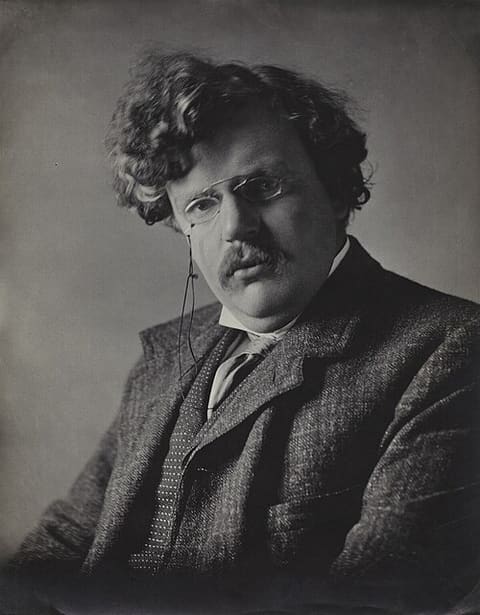
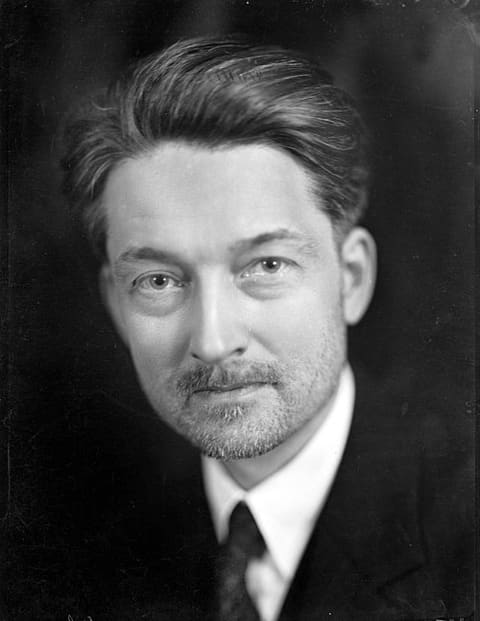
A British writer, Chesterton popularized distributism, defending the wide distribution of property and small-scale production against monopoly capitalism and state socialism, with strong Christian inspiration.
Closest, by dimension

Other compatible profiles





The most distant
Reference country

A parliamentary monarchy, the United Kingdom has a long liberal and democratic tradition, a market economy, and a strong financial sector, maintaining global influence after leaving the European Union in the process known as Brexit.
Other close countries
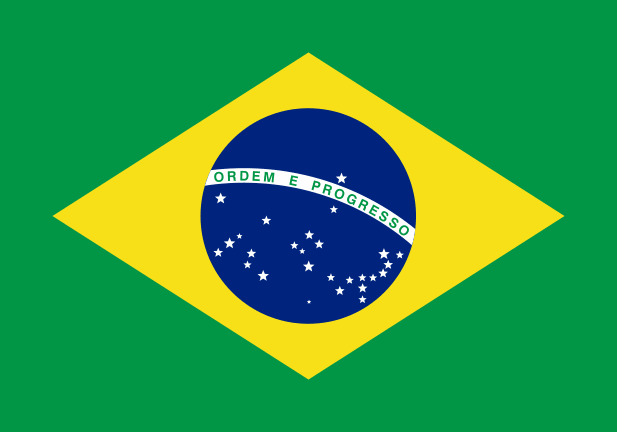
The largest country in Latin America, Brazil is a democratic presidential federal republic with a mixed economy, broad social policies, and strong regional, cultural, and political diversity that shapes its electoral disputes.
Also close, by dimension
The most distant

Medieval alliance of autonomous cantons formed from the 1291 Pact, the Old Swiss Confederacy operated without a strong central power, combining direct democracy in local assemblies (Landsgemeinde), independent peasant militias, and weak joint military/diplomatic coordination among the cantons.
Also close, by dimension

The most distant
Ideological proximity
Closest within Center
Current that values community bonds, traditions, and the common good above individualism, holding that justice and identity arise from life in community and the responsibilities people share.
Branch that unites conservatism and environmental protection, defending the preservation of nature as part of the tradition and heritage to be passed on to future generations, with prudence toward change.
Centrist current that applies Christian values to democratic politics, defending the social market economy, family, solidarity, and the common good as the foundation of free and pluralist institutions.
Closest in other spectrums
American traditionalist right, of Buchanan and Kirk, defending Christian heritage, localism and states' rights, immigration restriction, protectionism and non-interventionism, against neoconservatives and the managerial state.
Revival of Thomas Aquinas's thought from 1879 (Leo XIII), with Maritain and Gilson. It grounds politics in natural law, the common good and subsidiarity, favoring mixed government, property with a social function and just war, under Catholic faith.
Branch that combines the defense of workers and social justice with Christian values, promoting labor rights, solidarity, and social protection within democracy, inspired by the social doctrine of the Church.
The most distant ideology
Techno-MonarchismRight34%