Eco-Authoritarianism
Current that advocates a strong, interventionist state to confront the environmental crisis, subordinating economic and political freedoms to ecological urgency and strict control of consumption and production.
Home / Ideologies / Eco-Authoritarianism
Current that advocates a strong, interventionist state to confront the environmental crisis, subordinating economic and political freedoms to ecological urgency and strict control of consumption and production.
In one sentence
I want a society where the state imposes strict limits on consumption and production to halt the ecological crisis, above individual freedoms.
Political axes
Leans further toward autocracy than 82% of the 260 ideologies in the catalog.
Of all the axes, Representation is where it stands furthest from the rest.
On Intervention, it sits close to the catalog median.
Here it shares common ground with most ideologies.
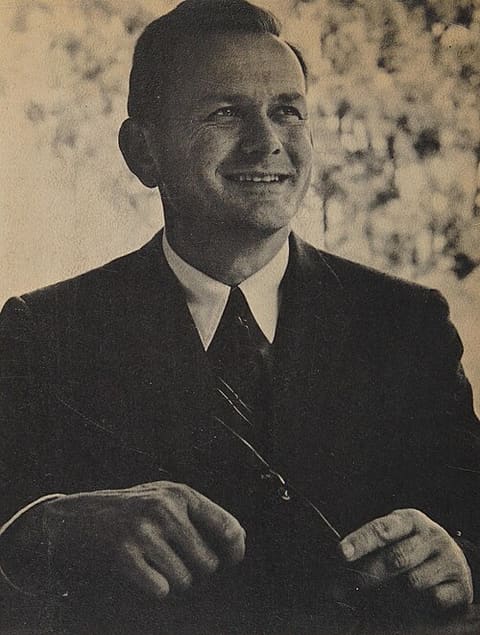
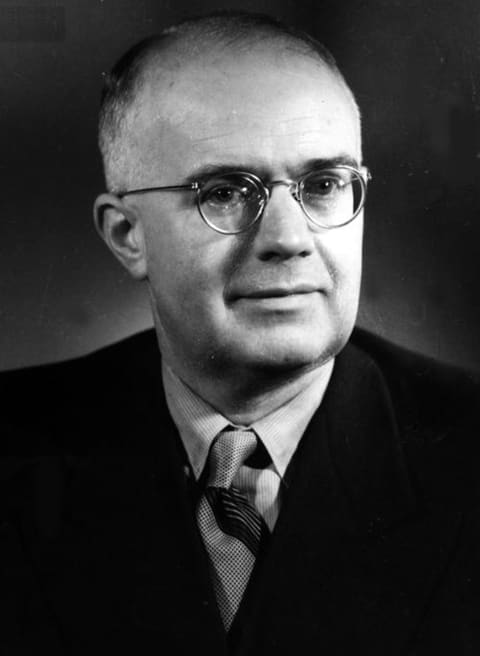
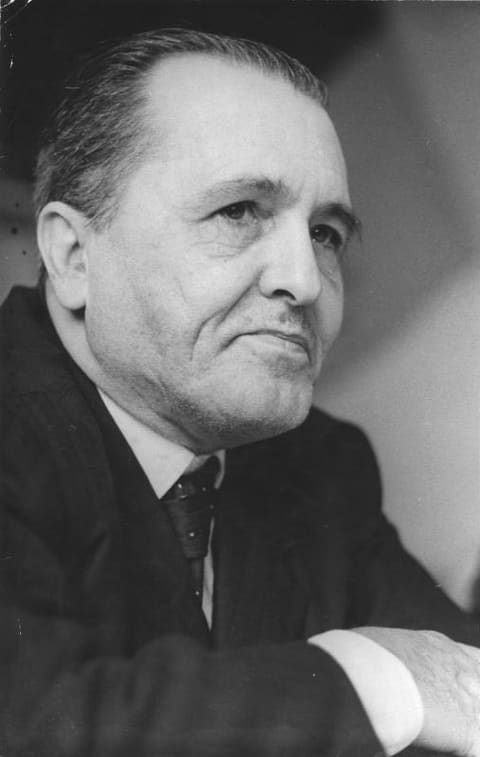
An American ecologist, Hardin popularized the Tragedy of the Commons, arguing that shared resources degrade without control, a thesis that influenced debates on the environment, property, and population control.
Closest, by dimension

Other compatible profiles
The most distant
Reference country

A single-party socialist state, China unites the absolute political control of the Communist Party with a state-directed market economy, becoming a global industrial, technological, and geopolitical power.
Other close countries

A single-party socialist state in the Caribbean, Cuba maintains a planned economy, strong state control, and universal public services, with power centralized since the revolution led by Fidel Castro in 1959.
Also close, by dimension
The most distant
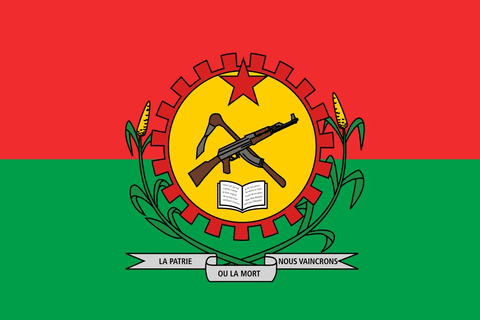
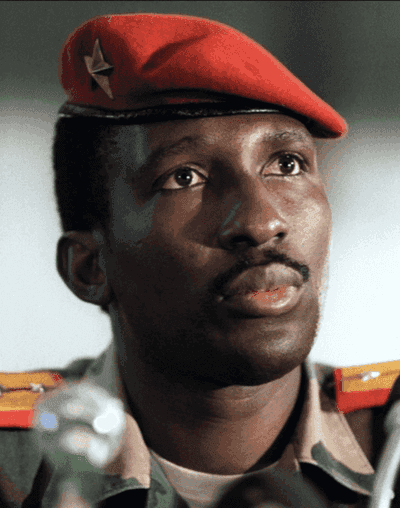
Under Thomas Sankara, Burkina Faso combined food self-sufficiency, mass vaccination and literacy campaigns, women's emancipation, rejection of foreign debt, and a frontal break with French neocolonialism.
Also close, by dimension


The most distant
Ideological proximity
Closest within Radical Left
Project that imposes progressive social transformations from above, using state power to accelerate changes in customs and equality, even at the cost of individual liberties and organized political opposition.
Revolutionary model that idealizes peasant life and collective rural production, rejecting cities, markets, and private property in favor of an equality imposed by state mobilization and communal discipline.
Current that builds socialism from the countryside, with a single party, collectivization into villages and cooperatives, food self-sufficiency and protection of land and forests, as in Nyerere's Ujamaa.
Closest in other spectrums
Current of Sankara, Samora Machel, Nkrumah and Nyerere joining pan-Africanism, Black consciousness, anticolonial struggle, agrarian collectivization and self-reliance against neocolonialism and racism.
Socialist current born of national liberation struggles in Africa, Asia, and Latin America, defending economic sovereignty, resource nationalization, non-alignment, and solidarity among peoples of the Global South against imperialism.
Model that combines socialist planning with scientific management of the economy, entrusting expert committees, rather than elections or party competition, with the rational organization of production and the egalitarian distribution of society's resources.
The most distant ideology
Reaganite ConservatismRight28%