British Fascism
The fascism of Oswald Mosley and the British Union of Fascists: a single leader, Blackshirts and a corporate state, with an autarkic empire, British nationalism, antisemitism and opposition to liberalism and communism.
Home / Ideologies / British Fascism
The fascism of Oswald Mosley and the British Union of Fascists: a single leader, Blackshirts and a corporate state, with an autarkic empire, British nationalism, antisemitism and opposition to liberalism and communism.
In one sentence
I want a corporate state under a single leader and the Blackshirts, with a closed, self-sufficient empire, Britain first, and an end to liberal parliament.
Political axes
Leans further toward autocracy than 91% of the 269 ideologies in the catalog.
Of all the axes, Representation is where it stands furthest from the rest.
On Religion, it sits close to the catalog median.
Here it shares common ground with most ideologies.

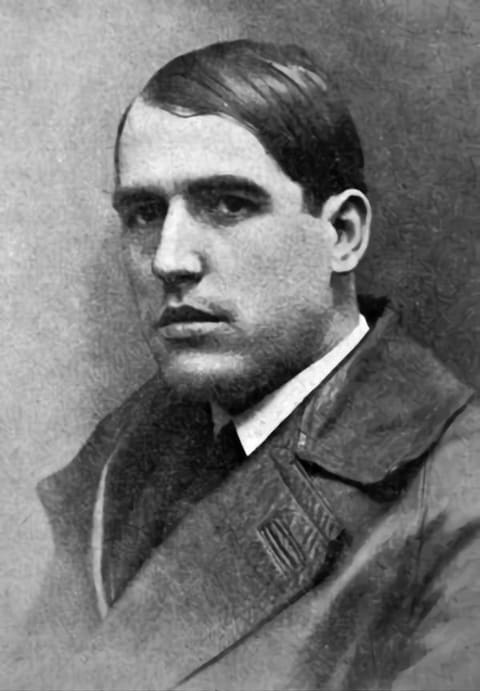
Founder of the British Union of Fascists, he advocated authoritarian government, corporatism and protectionism. He promoted antisemitism and, after the war, pan-European nationalism and racial segregation.
Closest, by dimension
Other compatible profiles
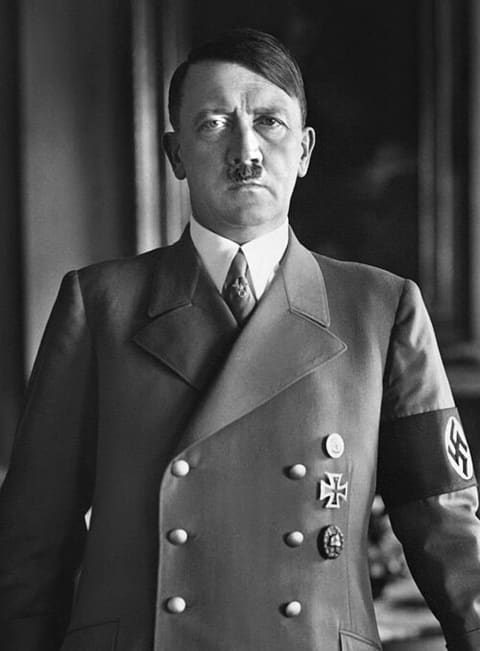
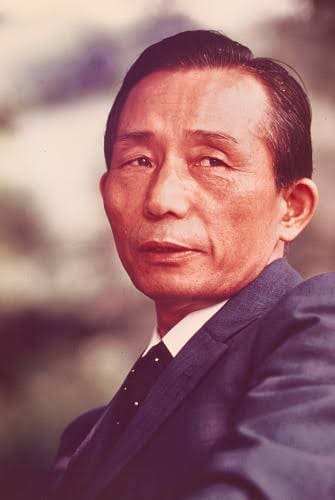
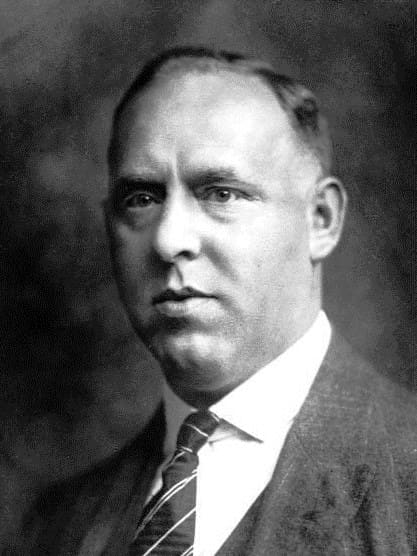
The most distant
Reference country

A parliamentary monarchy, the United Kingdom has a long liberal and democratic tradition, a market economy, and a strong financial sector, maintaining global influence after leaving the European Union in the process known as Brexit.
Other close countries
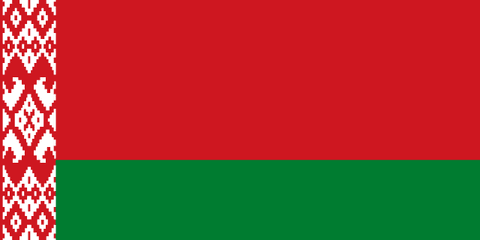
A post-Soviet presidential republic, Belarus is ruled by an authoritarian, personalist regime, with strong state control of the economy, repression of the opposition, and a close political alliance with Russia.
Also close, by dimension
The most distant
Under Nasser, Egypt was a nationalist, developmentalist republic that nationalized strategic sectors, led pan-Arabism, and united Arab socialism, agrarian reform, and strong leadership in the Middle East.
Also close, by dimension
The most distant
Ideological proximity
Closest within Third Position
Current that joins the totalitarian authoritarianism of fascism to digital surveillance, artificial intelligence and technological control of the population, using technique to secure order and national unity.
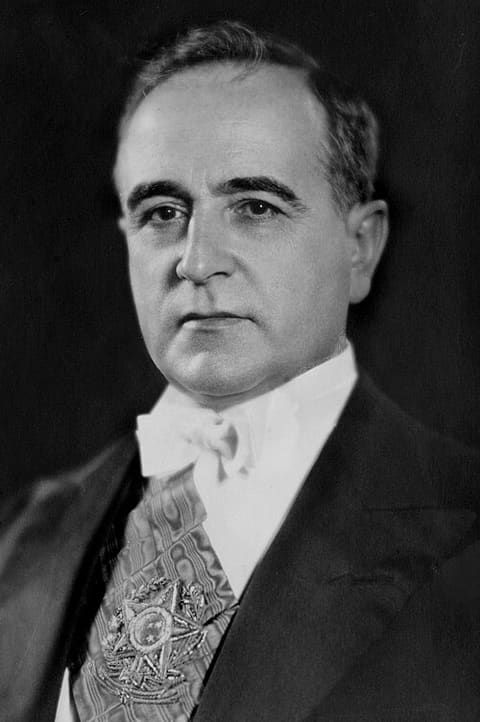
Getúlio Vargas's Estado Novo doctrine joining economic nationalism, a centralized state, state-tied unions, labor law and state firms such as Petrobras, against the regional oligarchies and liberalism.
Regime that fuses fascism's authoritarian aesthetics and hierarchy, with a strong leader, order and national discipline, to a socialist economy of collectivization, nationalized enterprise and central planning of the means of production.
Closest in other spectrums
Current that combines a planned socialist economy with a strong national identity, prioritizing the sovereignty and interests of its own country over internationalism, often under personalist and centralized leadership.
Conception that defines the nation by shared origin, language and descent, defending a state for the majority ethnic group and the preservation of its identity, which usually implies membership criteria tied to ancestry.
System that unites free enterprise with strong protectionism and state direction, prioritizing industry, jobs, and national sovereignty over global free trade and unchecked foreign capital.
The most distant ideology
Progressive LibertarianismLibertarian28%