Neoreaction
Current that rejects modern democracy and egalitarianism and proposes replacing them with hierarchical, efficient governments run like companies by a sovereign, combining traditionalism and technology.
Home / Ideologies / Neoreaction
Current that rejects modern democracy and egalitarianism and proposes replacing them with hierarchical, efficient governments run like companies by a sovereign, combining traditionalism and technology.
In one sentence
I want a society ruled by a hierarchical sovereign like a CEO, without democracy, uniting tradition and technology in a lean, efficient state.
Political axes
Leans further toward autocracy than 94% of the 260 ideologies in the catalog.
Of all the axes, Representation is where it stands furthest from the rest.
On Power, it sits practically at the catalog median.
Here it shares common ground with most ideologies.
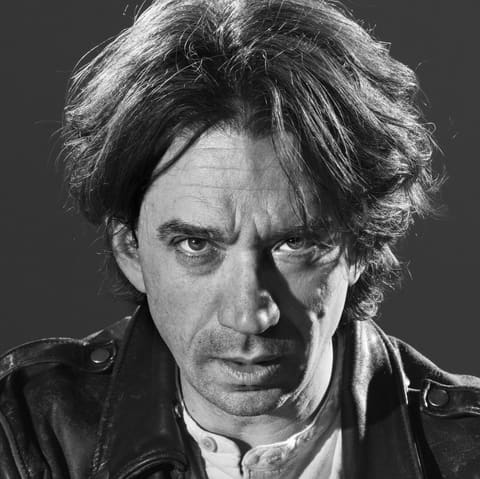
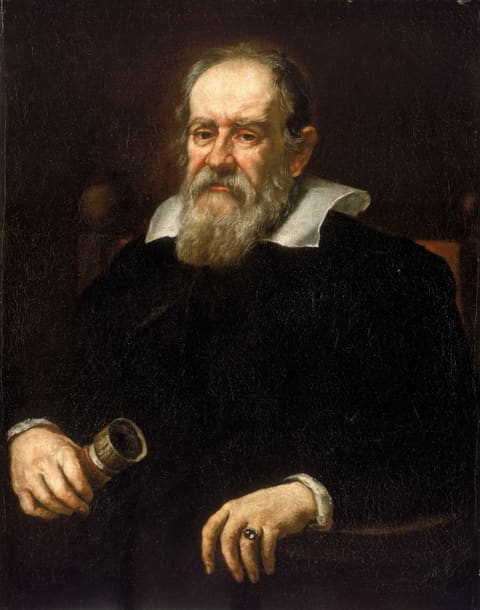
A political theorist known as Mencius Moldbug, Yarvin formulated neoreaction, proposing to replace democracy with a state run like a company by a sovereign-executive, on the model of neocameralism.
Closest, by dimension


Other compatible profiles

The most distant
Reference country

An Asian city-state, Singapore is a parliamentary republic dominated by a single party, combining open capitalism, efficient technocratic management, strict order, and limited political freedoms in the name of progress.
Other close countries

A federation of Gulf monarchies, the United Arab Emirates combines power concentrated in the royal families, a liberal economy diversified beyond oil, and strong bets on technology, tourism, and global finance.
Also close, by dimension


The most distant
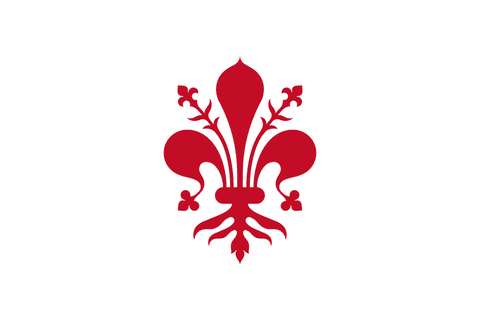
A city-state of the Italian Renaissance, Florence united banking and commercial capitalism, factional disputes among guilds and families such as the Medici, and a patronage that revolutionized the arts, letters, and political thought.
Also close, by dimension


The most distant
Ideological proximity
Closest within Far-Right
Intellectual current of Nick Land and Curtis Yarvin that criticizes democracy, egalitarianism and the academic-media "Cathedral", defends autocratic governments and the right of exit, and includes accelerationist strands. Critics also associate it with so-called race realism.
Current that defends accelerating the system's contradictions through technology and the weakening of liberal institutions, betting on a break with the existing order to give rise to a new hierarchical social and political order.
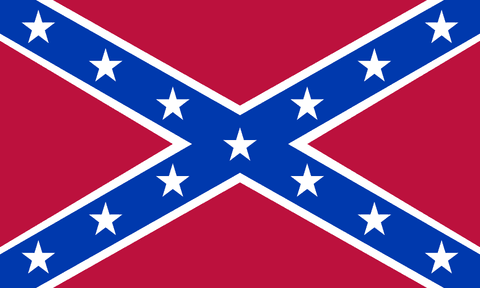
Political tradition of the nineteenth-century American South tied to the Confederacy, defending states' rights and secession, an agrarian, patriarchal and Christian society, free trade and a military tradition. Historically, this tradition also defended slavery and racial hierarchy.
Closest in other spectrums
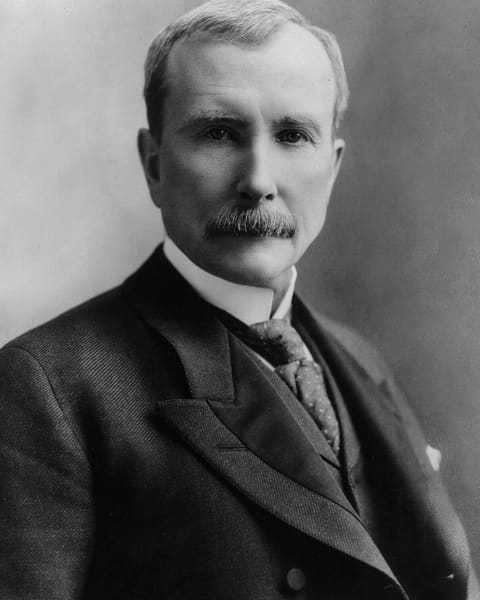
Capitalism of the great industrialists such as Henry Ford, Rockefeller and Thomas Edison, exalting the factory, mass production, invention and the entrepreneur, with a work ethic, traditional family and minimal state interference.
A doctrine of Curtis Yarvin that proposes running the state as a joint-stock company: shareholders, a sovereign CEO, citizens as customers who can leave, guaranteed private property and politics replaced by management.
Current advocating a monarch who actually governs, as constitutional head of the executive or absolute sovereign, over a federation of states or regions with broad self-government, as in the German Empire of 1871, the United Arab Emirates, and Malaysia.
The most distant ideology
CommunalismAnarchist30%